
We’re approaching the midpoint of the 2026 fantasy football season, and it’s easy to overreact to what we’ve seen so far.
One huge performance can turn a backup into a hot waiver-wire target. One disappointing game can convince fantasy owners that a former star is finished.
But not every recent performance tells the full story.
Let’s look at five potential fantasy football overreactions and how fantasy owners should respond.
1. Malik Willis: One or Two Big Games Doesn’t Make Him a QB1
The Overreaction: Willis is suddenly a reliable starting quarterback in fantasy football.
- The Evidence: Willis has now scored over 20 points in back to back fantasy outings.
- The Reality: One or two outstanding performances do not guarantee consistent production. Fantasy owners need to see whether Willis can maintain his passing and rushing production.
- What to Do: Consider him a potential streaming option, but don’t overpay based on one big game.
The Bottom Line: Enjoy the breakout, but don’t confuse a high ceiling with a reliable weekly floor.
2. Kenneth Walker III: One Bad Game Doesn’t Erase His Upside
The Overreaction: Walker is no longer an elite fantasy running back after a disappointing performance.
- The Evidence: Walker recorded just 57 scrimmage yards in Week 7, averaging 3.2 yards per touch.
- The Reality: In the offense in which he plays, combined with his explosive playmaking, he’ll have far more breakout games than duds.
- What to Do: If another fantasy owner is panicking, explore a trade. Don’t sell a talented running back at a discount because of one bad game.
The Bottom Line: Evaluate the bigger picture rather than letting one disappointing Sunday dictate your opinion.
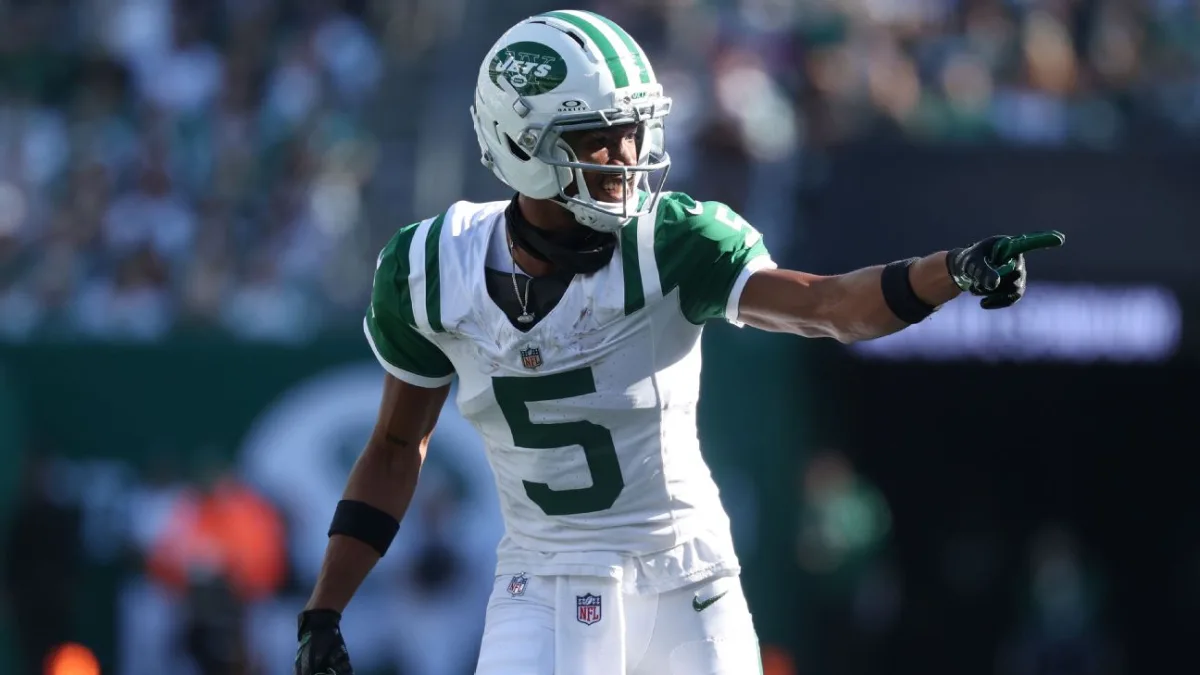
3. Garrett Wilson: Has Omar Cooper Jr. Taken Over?
The Overreaction: Wilson is losing his place as the Jets’ top fantasy receiver.
- The Evidence: Wilson caught two passes for 26 yards on three targets in Week 7. Meanwhile, Cooper recorded 115 receiving yards and a touchdown.
- The Reality: Cooper’s emergence deserves attention, especially because Wilson has failed to reach 45 receiving yards in either of his last two games. Wilson has also received fewer than seven targets in three of his last four games.
- What to Do: Investigate Wilson’s changing workload before making a trade. Don’t automatically sell him, but don’t ignore the warning signs.
The Bottom Line: This might be more than a temporary slump. Watch the target distribution before deciding whether Wilson is a buy-low candidate.
4. Tony Pollard: Sell High After Three Touchdowns?
The Overreaction: Pollard has become a dependable, high-end fantasy running back.
- The Evidence: Pollard rushed for 129 yards and three touchdowns on 25 carries in Week 7. He added three catches for 26 yards.
- The Reality: Pollard had scored just one rushing touchdown through his first six games. His three-touchdown performance could be difficult to replicate, although his 25 carries demonstrated legitimate workload potential.
- What to Do: Explore his trade value after the monster performance. However, don’t sell him cheaply just because you expect touchdown regression.
The Bottom Line: A three-touchdown game can create an excellent selling opportunity, but Pollard’s workload makes him worth holding at the right price.
5. J.J. McCarthy: Is He Back in the Fantasy Football Conversation?
The Overreaction: McCarthy is back in contention as a starting fantasy quarterback after showing signs of life with the Giants.
- The Evidence: McCarthy completed 20 of 28 passes for 252 yards without a touchdown or interception in his first start for New York. He also threw for 243 yards in Week 6, giving fantasy owners reason to be optimistic.
- The Reality: McCarthy showed improvement, but he still needs to turn those passing yards into touchdowns and provide more consistent fantasy production. He finished Week 7 with just 10.2 fantasy points in standard four-point passing-TD scoring.
- What to Do: McCarthy is worth monitoring and could be a speculative stash in superflex leagues. In typical one-quarterback leagues, though, there’s little reason to treat him as a reliable starter just yet.
The Bottom Line: McCarthy may be turning a corner, but one encouraging stretch doesn’t make him a dependable fantasy quarterback. Let him prove he can deliver touchdowns and consistent production before buying into the comeback.
Final Thoughts: Don’t Let Recency Bias Cost You
Fantasy football rewards owners who recognize trends without overreacting to individual performances.
A huge game doesn’t automatically make a player a star. A bad week doesn’t mean an established talent is finished. And sometimes, declining production signals a legitimate problem rather than a temporary slump.
Before making a major roster decision, consider three questions:
- Is the player’s opportunity changing? Look at touches, targets, and playing time.
- Is the recent production sustainable? Consider touchdown efficiency, big plays, and offensive environment.
- Has the player’s value changed more than his outlook? This can reveal opportunities to buy low or sell high.
The goal isn’t to ignore what happens on the field. It’s to separate meaningful trends from short-term noise.
Make decisions based on evidence, not emotion, and you may find opportunities that other fantasy owners overlook.