
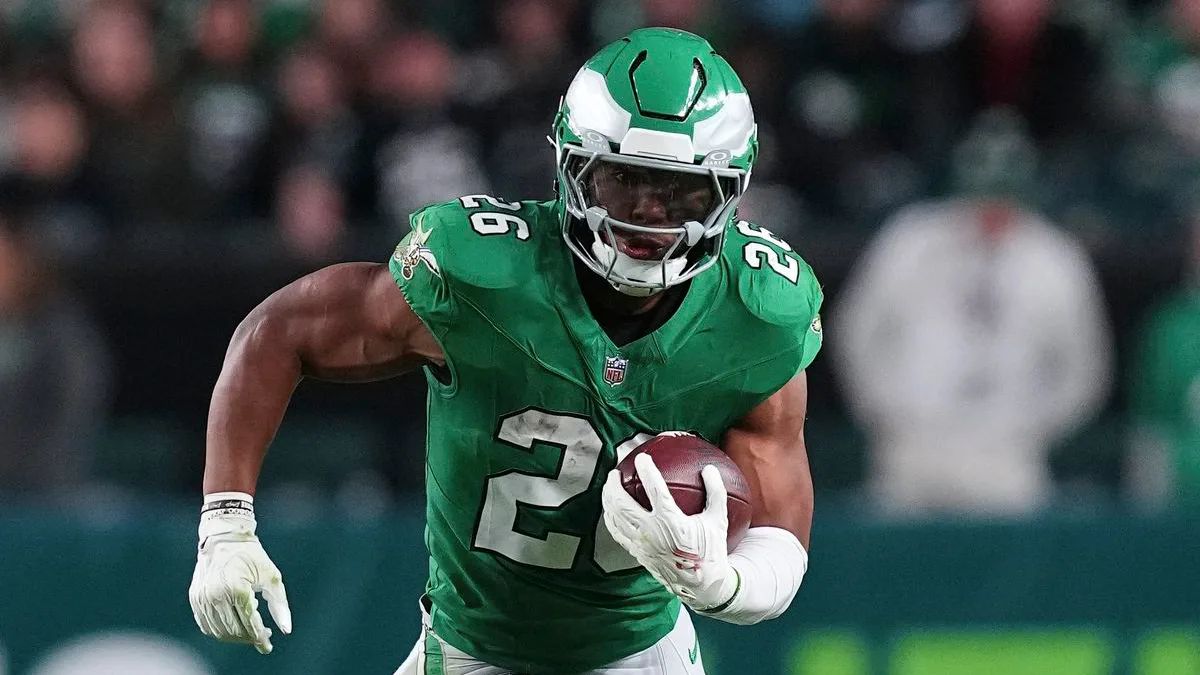
The first month of the fantasy football season is in the books, and the early results are already reshaping player values across the NFL. Some players have significantly outperformed their preseason expectations. Others have left fantasy owners wondering whether their draft-day investments were worth the cost.
This fantasy football risers and fallers piece highlights the players whose performances through the first four weeks have changed the outlook for the rest of the season. From unexpected breakout stars to disappointing early-round picks, these are the players fantasy owners should be watching as they prepare for the next stretch of the season.
Remember, four weeks of football rarely tell the entire story. Some slow starters can still turn things around, and a few early-season breakouts may eventually cool off. The key is recognizing which performances reflect sustainable opportunities and which players might be headed for regression.
Quarterback Risers and Fallers
Quarterback Risers
Brock Purdy, San Francisco 49ers
Purdy entered the season as a low-end QB1 at best. But he’s played like a top-five fantasy quarterback and has put himself in the early MVP conversation. His combination of passing efficiency, touchdown production, and increased rushing involvement has given him a much higher fantasy ceiling than anticipated.
Bryce Young, Carolina Panthers
Young was viewed as a sleeper with low-end QB2 value and the potential for occasional spike weeks. But he’s delivered far more than that through the first month. His strong production has turned him into a legitimate weekly fantasy option rather than someone owners should consider only as a matchup-dependent backup.
Tyler Shough, New Orleans Saints
Shough has emerged as a reliable fantasy quarterback in Kellen Moore’s aggressive offensive system. He has outperformed the modest expectations surrounding him entering the season. If the Saints continue generating passing volume and scoring opportunities, Shough could remain a useful option for fantasy owners seeking quarterback production.
Quarterback Fallers
Drake Maye, New England Patriots
Maye bounced back in Week 4, but his overall performance has fallen short of the top-three quarterback expectations many fantasy owners brought into the season. He still has the talent to turn things around, but he needs greater week-to-week consistency to justify that preseason optimism.
Justin Herbert, Los Angeles Chargers
There was hope that Mike McDaniel’s offensive influence would help Herbert return to the mid-QB1 conversation, but both the quarterback and the Chargers offense have struggled badly. Until the offense finds its rhythm and creates more consistent scoring opportunities, Herbert is difficult to trust as an every-week starter.
Jayden Daniels, Washington Commanders
Daniels’ electric rookie season and game-changing rushing ability pushed him into the middle rounds of fantasy drafts, but recurring injury concerns have made him a volatile investment. His upside remains enormous whenever he’s healthy, yet the risk of missed time makes it difficult for fantasy owners to rely on him without a capable backup.
Running Back Risers and Fallers
Running Back Risers
Kyren Williams, Los Angeles Rams
Many expected a more balanced workload in the Rams backfield, but Williams has continued to establish himself as the clear lead back. His dominant production and dependable role have reinforced his status as a high-end fantasy running back with little reason for owners to panic about the preseason workload concerns.
Chuba Hubbard, Carolina Panthers
Hubbard was undervalued entering the season, with concerns about the Panthers offense and the offseason excitement surrounding Jonathon Brooks helping suppress his draft-day price. He’s rewarded fantasy owners who stayed the course by demonstrating that he can remain a valuable contributor when given a substantial workload.
Kyle Monangai, Chicago Bears
D’Andre Swift was expected to deliver RB2 production, but few anticipated how productive Ben Johnson’s rushing attack could become with Monangai also involved. Monangai has capitalized on the opportunity, giving the Bears a productive backfield tandem and emerging as a fantasy riser in his own right.
Running Back Fallers
Omarion Hampton, Los Angeles Chargers
Hampton entered the season with expectations of a major breakout, but the Chargers’ offensive struggles have limited his ability to deliver on that promise. The talent and opportunity may still be there, but fantasy owners need to see improved offensive efficiency before confidently projecting a major turnaround.
Saquon Barkley, Philadelphia Eagles
Barkley has delivered a disappointing return on investment through the first four weeks, with injury concerns and an underwhelming Eagles offense limiting his fantasy production. It’s too early to write off a proven star, but his owners need Philadelphia’s offense and Barkley’s health to improve before he returns to his expected elite production.
Cam Skattebo, New York Giants
Skattebo runs with the kind of reckless intensity that makes him look capable of bulldozing through a brick wall, but the results haven’t matched the excitement surrounding his workload. He’s receiving opportunities, yet the production hasn’t consistently translated into the massive fantasy numbers many owners anticipated.
Wide Receiver Risers and Fallers
Wide Receiver Risers
Christian Watson, Green Bay Packers
Watson’s talent has never been in question; availability has always been the primary concern, but he’s stayed on the field and produced like a top-five fantasy wide receiver so far. If he continues combining his big-play ability with consistent involvement, Watson could deliver the kind of difference-making season fantasy owners have long hoped to see.
Michael Wilson, Arizona Cardinals
Despite the Cardinals extending Wilson, many fantasy owners still expected Marvin Harrison Jr. to make the biggest leap in Arizona’s passing game. Instead, Wilson has continued building on last season’s promise and has emerged as a much more valuable fantasy option than his preseason expectations suggested.
Denzel Boston, Cleveland Browns
Boston has emerged as a name to watch after entering the season with considerably less fantasy attention than many established receivers — and his fellow rookie KC Concepcion. His early-season progress puts him on the radar for fantasy owners looking for a potential breakout, although his long-term value will depend on whether his target volume and production remain consistent.
Wide Receiver Fallers
George Pickens, Dallas Cowboys
Pickens was one of the most overhyped and overdrafted receivers entering the season, with second-round fantasy draft capital often failing to account for CeeDee Lamb’s established role in Dallas. Lamb remains the primary focal point, leaving Pickens with a more difficult path to the consistent target volume needed to justify his preseason price.
Justin Jefferson, Minnesota Vikings
Jefferson’s fantasy production has fallen well short of the elite standard fantasy owners have come to expect. Injury concerns and inconsistent quarterback play have contributed to the decline. His talent remains unquestioned, but Minnesota needs to provide better passing conditions for him to return to his usual difference-making status.
Jaylen Waddle, Denver Broncos
Waddle has always possessed the ability to produce explosive fantasy weeks. But projecting him as a season-long top-10 wide receiver required considerable optimism. His early-season results reinforce the risk of confusing occasional WR1-level performances with the consistent target volume and weekly production necessary to finish among the position’s elite.
Tight End Risers and Fallers
Tight End Risers
George Kittle, San Francisco 49ers
Preseason concerns about Kittle’s age and recovery from a serious injury created uncertainty about his fantasy ceiling. But he’s played like a top-three tight end through the first month. His continued involvement in the 49ers’ offense has reminded fantasy owners that he remains one of the position’s most dangerous playmakers when healthy.
Isaiah Likely, Baltimore Ravens
Likely was often drafted as a TE2 or a low-end TE1. But his early-season production has shown that his upside was seriously underestimated. He’s established himself as a top-five fantasy tight end so far, making him one of the most significant values among the position’s early risers.
Travis Kelce, Kansas City Chiefs
The preseason narrative suggested Kelce’s best fantasy days might be behind him. But the veteran has shown he still has plenty left to offer. He remains a focal point for Patrick Mahomes, and that involvement gives fantasy owners reason to believe he can continue producing meaningful numbers at a position where consistency is hard to find.
Tight End Fallers
Colston Loveland, Chicago Bears
Loveland entered the season with top-three tight end expectations in many preseason evaluations. But his production has been far from fantasy relevant. There’s still time for him to develop into a meaningful contributor. But he’ll need a substantial increase in involvement and consistent production to approach his lofty draft-day projections.
Kyle Pitts, Atlanta Falcons
Pitts continues to frustrate fantasy owners with his unpredictable production. He’s had seasons in which his fantasy value has swung dramatically from one extreme to another. Those who invested heavily in him this year have been left disappointed. He’ll need to demonstrate greater consistency before regaining the trust of fantasy owners.
Tucker Kraft, Green Bay Packers
Kraft entered the season with considerable hype. But his production has been closer to that of a low-end TE2 than the breakout tight end many fantasy owners anticipated. With Green Bay leaning heavily on its wide receivers, Kraft needs a larger and more consistent role in the passing game to become a dependable fantasy starter.
What These Fantasy Football Risers and Fallers Mean for Your Team
The first month of the season offers valuable clues about which players are exceeding expectations and which preseason projections may have been too optimistic. However, fantasy owners shouldn’t make major roster decisions based on fantasy points alone.
When evaluating these fantasy football risers and fallers, pay attention to three things:
- Opportunity: Is the player receiving more snaps, touches, or targets than expected?
- Efficiency: Is the production sustainable? Or is it being driven by an unusually high touchdown rate or a handful of explosive plays?
- Role: Has the player established a dependable position in his team’s offense? Or could his workload disappear as teammates return from injury or earn more opportunities?
These factors can help distinguish genuine breakouts from temporary hot streaks. A player whose increased production comes with a larger workload is generally more appealing than one relying on unsustainable efficiency. While a disappointing player with a secure role may be a better buy-low candidate than his early numbers suggest.
Final Thoughts: Using Fantasy Football Risers and Fallers to Gain an Edge
The first month of the fantasy football season has already delivered surprises at every position. Brock Purdy and Bryce Young have exceeded expectations at quarterback. Kyren Williams and Kyle Monangai have strengthened their fantasy cases in the backfield. Christian Watson and Michael Wilson have emerged as wide receiver risers. Meanwhile, disappointing starts from players such as Justin Herbert, Saquon Barkley, George Pickens, and Colston Loveland have forced fantasy owners to reconsider their preseason evaluations.
The most successful fantasy owners won’t simply chase last week’s points. They won’t abandon every player who has struggled. Instead, they’ll use the first four weeks of evidence to identify sustainable roles. They’ll uncover emerging opportunities. And they’ll capitalize on market inefficiencies before the rest of the league catches up.
Keep monitoring these fantasy football risers and fallers as the season progresses. Be willing to adjust your expectations. The early-season trends that matter most aren’t always the biggest box scores. They’re the changes in opportunity and usage that signal what could happen next.