
Which tight ends should fantasy owners avoid in 2026?
Not every tight end coming off a productive season is worth drafting at their current cost. Some are priced near their ceiling, while others face tougher competition, declining roles, aging concerns, or increased injury risk. Identifying these players before your draft can help fantasy owners avoid paying premium prices for disappointing production and instead find better value later in the draft.
Why Avoiding Overpriced Tight Ends Matters
The tight end position has become deeper in recent years, making it even more important to avoid players whose Average Draft Position (ADP) assumes they’ll repeat career-best production.
Many fantasy owners lose draft value by chasing last year’s statistics instead of projecting what will happen next. Regression, new teammates, coaching changes, quarterback uncertainty, and age all impact fantasy production.
The following tight ends aren’t necessarily bad players—but they’re being drafted at prices that leave little room for profit in 2026.
Tight Ends You Should Currently Avoid
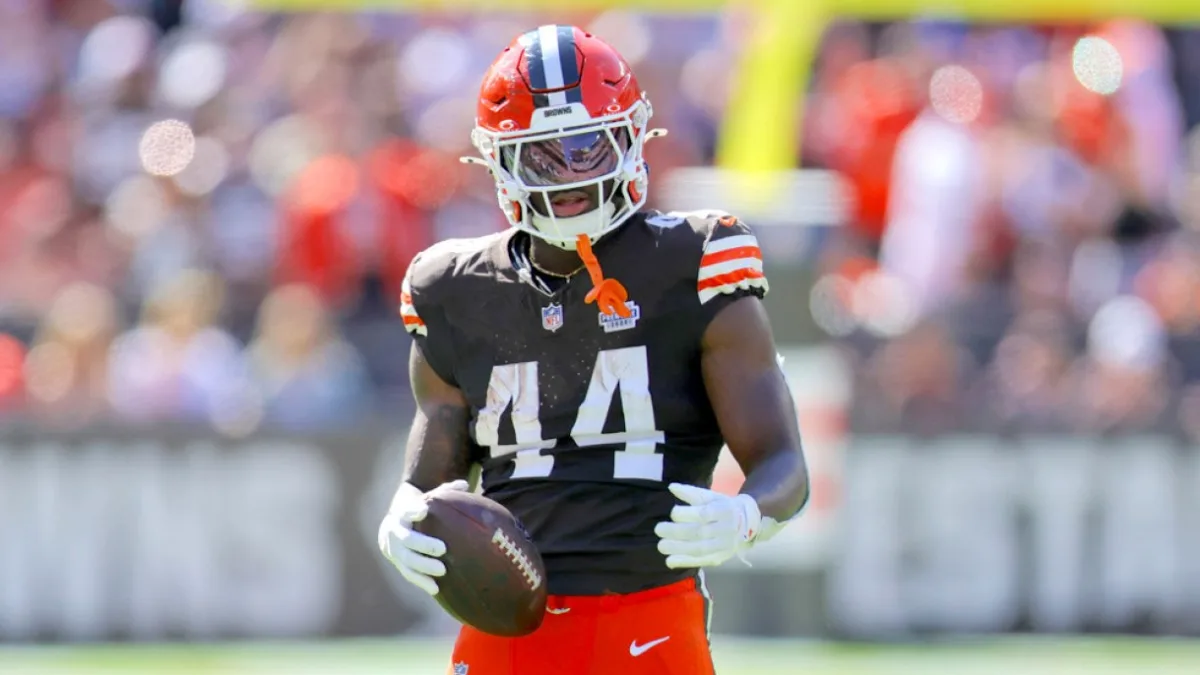
Harold Fannin Jr. (Browns)
Why Fantasy Owners Should Be Cautious
- His impressive rookie season has caused his ADP to climb significantly.
- Cleveland added more receiving talent, creating much tougher target competition.
- Defenses will spend the offseason adjusting to how the Browns use him.
- A larger group of pass catchers makes repeating last year’s target share unlikely.
- You’re paying for last year’s breakout rather than future value.
Fantasy Recommendation: Wait for another tight end with a clearer path to elite volume instead of paying Fannin’s inflated draft price.
Oronde Gadsden (Chargers)
Why Fantasy Owners Should Be Cautious
- He looked like a breakout candidate after an encouraging rookie campaign.
- The addition of veteran David Njoku dramatically changes the target distribution.
- Two fantasy-relevant tight ends rarely produce consistent weekly value on the same offense.
- His weekly floor becomes much lower with another proven pass catcher competing for snaps and targets.
- His current ADP still reflects expectations from before the Chargers upgraded the position.
Fantasy Recommendation: Let someone else draft him at his current cost while you target a tight end with a more secure workload.
Juwan Johnson (Saints)
Why Fantasy Owners Should Be Cautious
- Last season represented one of the most productive years of his career.
- His efficiency and production are difficult to sustain.
- He’s entering the stage of his career where natural age-related decline becomes a concern.
- Expect regression in targets, receptions, and receiving yards.
- The Saints offense is unlikely to funnel enough volume his way to justify his ADP.
Fantasy Recommendation: Assume regression is coming and avoid paying for last year’s production.
Dalton Schultz (Texans)
Why Fantasy Owners Should Be Cautious
- He rebounded with a productive fantasy season in 2025.
- Age is beginning to work against him.
- Regression is common after veteran bounce-back seasons.
- Houston has plenty of talented receivers competing for targets.
- His ceiling no longer matches the price fantasy owners are paying.
Fantasy Recommendation: Look for younger tight ends with more upside instead of betting on another strong veteran season.
T.J. Hockenson (Vikings)
Why Fantasy Owners Should Be Cautious
- Optimism exists because Kyler Murray is expected to take over at quarterback.
- Durability has remained one of the biggest concerns throughout his career.
- Injuries have repeatedly limited both availability and consistency.
- He’s entering the later stages of his prime, where decline becomes more likely.
- He no longer appears to be the offensive centerpiece he once was.
- His draft cost still assumes he’ll return to elite fantasy production.
Fantasy Recommendation: Don’t let quarterback optimism overshadow the health risks and declining offensive role.
Common Themes Among These Tight Ends
Several warning signs appear repeatedly across this list:
- Rising ADPs without a corresponding increase in opportunity.
- Increased competition for targets.
- Regression after career-best seasons.
- Aging veterans with declining upside.
- Injury histories that lower weekly reliability.
Fantasy championships are often won by drafting players before they break out—not after everyone expects them to repeat career years.
Better Draft Strategy at Tight End
Instead of forcing an early tight end selection simply because of name recognition, remain flexible throughout your draft.
Fantasy owners should prioritize:
- Stable target volume.
- Youth and ascending talent.
- Clear offensive roles.
- Affordable ADPs.
- High weekly ceilings without paying premium prices.
Avoiding overvalued players creates opportunities to add difference-makers at other positions while still finding quality production later at tight end.
Final Thoughts: Avoid Paying for Yesterday’s Production
Drafting is about projecting the future—not rewarding the past. Every player on this list has reasons to contribute in 2026, but each also carries enough risk that their current draft price outweighs the potential reward.
The smartest fantasy owners consistently look for value rather than recognizable names. By passing on overpriced tight ends and targeting players with clearer paths to exceeding expectations, you’ll build a stronger, deeper roster with fewer draft-day regrets.
Tight Ends to Avoid: Frequently Asked Questions
Some of the biggest risks include Harold Fannin Jr., Oronde Gadsden, Juwan Johnson, Dalton Schultz, and T.J. Hockenson because of rising ADPs, increased competition, regression concerns, aging, or durability questions.
Not necessarily. Every player has value at the right price. The concern is that their current ADPs often require them to repeat or exceed their best seasons, making them risky investments.
Regression occurs when players return closer to their career averages after unusually productive seasons. Betting on repeat career years often leads to disappointing draft value.
In many leagues, yes. The position offers enough depth that fantasy owners can often find quality production later while using earlier picks on scarcer positions.
Look for consistent target volume, a defined role in the offense, strong quarterback play, good health, and a reasonable ADP that leaves room for the player to outperform expectations.