
Free agency always creates winners and losers—but some backfields come out the other side looking like full-blown puzzles.
This year, several teams added talent without clarifying roles, creating headaches (and opportunities) for fantasy football owners.
Let’s take a look at some of the most complicated RB situations, what changed, and how to attack them in drafts.
Why These Backfields Matter
- Unclear roles = volatile weekly scoring
- Touchdown distribution becomes unpredictable
- ADP often lags behind reality
Smart fantasy owners don’t just avoid chaos—they price it correctly.
Most Complicated Backfields After Free Agency
1. Miami Dolphins
New wrinkle: Malik Willis adds rushing QB element
Key RBs: De’Von Achane, Jaylen Wright, Ollie Gordon
What Changed: Miami didn’t just keep its speed-based committee—it added a quarterback who can steal designed runs and red-zone carries.
Fantasy Impact
- Fewer goal-line opportunities for RBs
- Big-play upside still elite, but weekly floor drops
- Designed QB runs = fewer RB touches overall
Draft Strategy
- Achane = boom/bust RB1 with league-winning upside
- Wright = deep stash with little to no independent value
- Gordon = short-yardage and goal line dependent
- Slight downgrade to the entire backfield due to QB rushing
2. New Orleans Saints
New wrinkle: Travis Etienne joins Alvin Kamara
What Changed: The Saints added a high-end dual-threat RB to an already established pass-catching specialist.
Fantasy Impact
- Two players who thrive in space and receiving work
- Potential split in:
- Targets
- Explosive plays
- Goal-line work could rotate or favor the hot hand
Draft Strategy
- Both players see capped ceilings unless one separates (or Kamara gets traded/cut)
- Etienne likely handles more early-down work
- Kamara still valuable in PPR formats
3. Pittsburgh Steelers
New wrinkle: Rico Dowdle replaces Kenneth Gainwell, but Kaleb Johnson enters Year 2
What Changed: Instead of clarifying the depth chart, Pittsburgh swapped complementary pieces while a young RB pushes for a bigger role.
Fantasy Impact
- Likely a rotation early in the season
- Unclear:
- Early-down role
- Passing-down usage
- Sophomore breakout potential looms
Draft Strategy
- Johnson = high-upside late-round target
- Dowdle = depth/insurance pick
- Avoid early investment until roles emerge
4. Washington Commanders
New wrinkle: Rachaad White joins Jacory Croskey-Merritt
What Changed: Washington added a proven pass-catching back to a developing, younger runner.
Fantasy Impact
- White likely dominates passing-down work
- Croskey-Merritt could handle:
- Early downs
- Goal-line touches
- Classic split-backfield risk
Draft Strategy
- White = safe PPR floor play
- Croskey-Merritt = touchdown-dependent upside
- Both are usable—but game script dependent
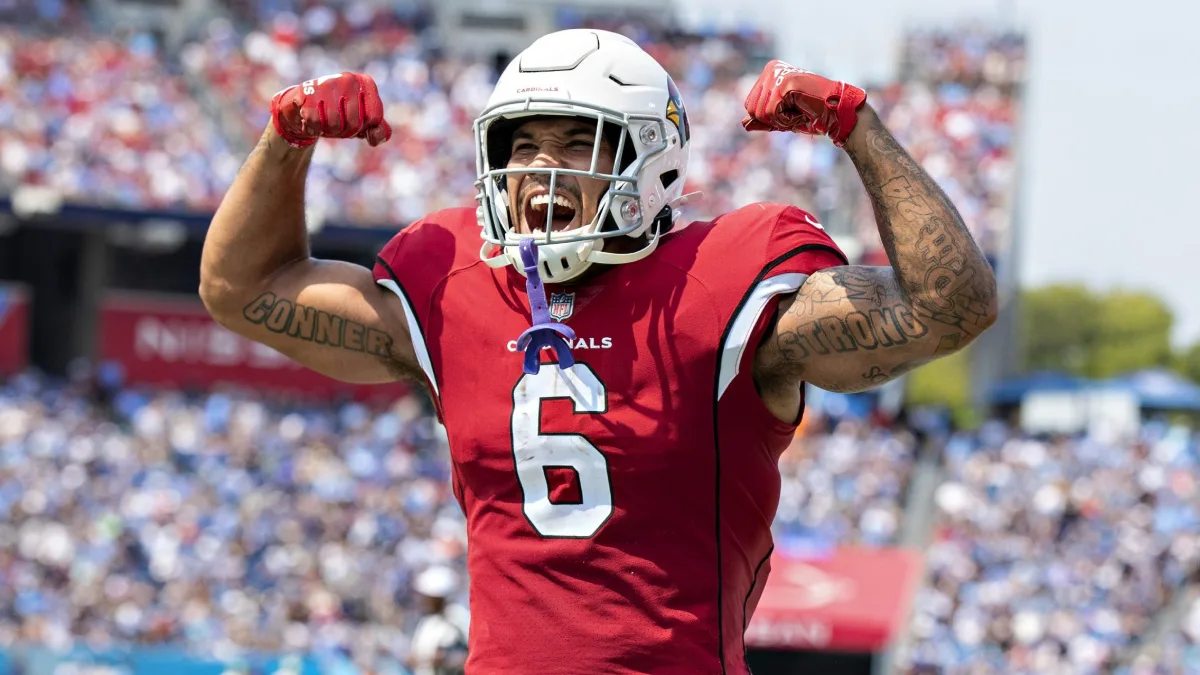
5. Arizona Cardinals
New wrinkle: Tyler Allgeier creates a three-headed backfield with James Conner and Trey Benson.
What Changed: Arizona added a physical runner to an already crowded RB room.
Fantasy Impact
- Three distinct roles likely:
- Early-down grinder
- Pass-catching specialist
- Change-of-pace/explosive option
- Weekly usage could fluctuate dramatically
Draft Strategy
- Avoid guessing early in drafts
- Target cheapest RB with a defined role
- Monitor snap share trends early in season
Key Trends Emerging
1. QB Rushing Is Killing RB Ceilings
Backfields tied to mobile QBs (like Miami) lose high-value touches.
2. Teams Prefer Specialization Over Workhorses
Instead of one bell cow, teams deploy:
- Pass-catching RB
- Power RB
- Explosive change-of-pace option
3. Ambiguity Creates Late-Round Value
While early picks are risky, these backfields often produce:
- Waiver wire breakouts
- League-winning midseason shifts
Fantasy Takeaways
- Don’t chase name value in crowded backfields
- Prioritize defined roles over raw talent
- Lean into ambiguity in best ball formats
- Be aggressive on waivers early in the season